
We interact with artificial intelligence constantly. You ask voice assistants for directions, use algorithms to sort your email, and rely on chatbots for quick support. Yet, many of these automated interactions feel rigid, cold, and strictly robotic. People inherently crave genuine connection, even when they communicate with software.
An AI Humanizer Tool bridges this exact gap. It takes standard, computational text and transforms it into warm, empathetic communication. Instead of sounding like a machine reading from a dictionary, the software sounds like a real person having a natural conversation.
This guide explores exactly what an AI Humanizer Tool is and how it functions behind the scenes. We will highlight why this technology matters for both businesses and everyday users. You will discover its key applications across critical industries like healthcare, education, and customer service. Finally, we will break down the ethical challenges developers face when making machines sound human, giving you a complete picture of this transformative technology.
What Is an AI Humanizer Tool and How Does It Work?
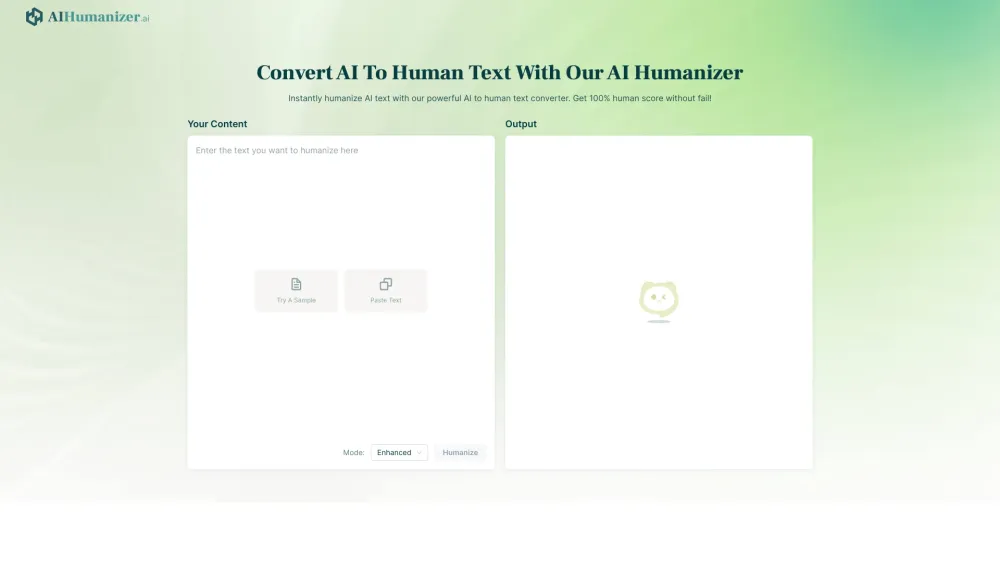
An AI Humanizer Tool is an advanced software application designed to make artificial intelligence communicate more naturally. Traditional AI models focus purely on delivering factual accuracy. They use strict statistical probabilities to generate the most logical response. An AI Humanizer Tool shifts the focus to emotional intelligence and conversational flow.
The tool works by applying complex natural language processing (NLP) algorithms trained on vast datasets of actual human conversations. When you feed raw text or a basic AI prompt into the tool, it analyzes the intent and context. It then rewrites or adjusts the output to include emotional cues, varied sentence structures, and natural phrasing.
For example, a standard AI might say, “Your request is processed. Expect delivery in two days.” An AI Humanizer Tool revises this to, “We have successfully processed your request! You should receive your delivery within two days. Let us know if you need anything else.” The tool softens the language, adds appropriate warmth, and mimics the natural rhythm of human speech.
Why an AI Humanizer Tool Is Important
People expect more from technology than just raw efficiency. When a user reaches out with a frustrating problem, a blunt and robotic response only makes the situation worse. An AI Humanizer Tool addresses this psychological need for understanding and validation.
For businesses, this tool serves as a critical differentiator. Consumers have countless options, and they quickly abandon brands that provide poor digital experiences. By integrating an AI Humanizer Tool, companies show they care about how they communicate. It turns a mundane support ticket into a pleasant interaction, which drives long-term customer loyalty and satisfaction.
Individuals benefit just as much. Whether you use AI to draft emails, write blog posts, or create presentations, you want your audience to connect with your message. An AI Humanizer Tool helps you refine your automated drafts so they retain a personal, authentic voice. You save time on manual editing while ensuring your communication never sounds artificially generated.
Key Applications Across Major Industries
The drive for empathetic technology is reshaping how entire sectors operate. Different industries leverage the AI Humanizer Tool to solve unique communication challenges and improve lives.
Elevating Customer Service
Customer service relies heavily on empathy and active listening. Frustrated shoppers need immediate reassurance. When a company uses an AI Humanizer Tool, its chatbots can detect frustration or urgency in a customer’s text. The bot then adjusts its tone, apologizes for the inconvenience, and offers tailored solutions in a warm, conversational manner. This approach de-escalates tension and helps human agents handle fewer angry escalations.
Enhancing Healthcare Interactions
Healthcare patients often feel scared, confused, or overwhelmed. Medical apps that use robotic, clinical language can amplify that anxiety. Virtual health assistants powered by an AI Humanizer Tool speak with genuine care. The system might say, “I understand you are experiencing discomfort today; let us find a way to help you feel better,” instead of bluntly listing medical facts. This gentle communication encourages patients to follow their treatment plans and trust the medical platform.
Personalizing Education
Students learn best in supportive, encouraging environments. Automated tutoring systems historically provided blunt corrections that could discourage struggling learners. Now, educational platforms use an AI Humanizer Tool to act like a supportive mentor. The software celebrates small victories and offers gentle, constructive feedback when a student makes a mistake. This empathetic approach keeps students motivated and engaged.
Benefits for Enhancing User Experience and Building Trust
Integrating an AI Humanizer Tool delivers measurable advantages that fundamentally improve the user experience. Authentic communication builds a foundation of trust between users and digital platforms.
First, you significantly improve user retention. When clients feel respected and understood by your automated systems, they stick around. They feel comfortable sharing information and trusting the guidance the system provides. The technology adapts to the specific emotional state of the user, making every digital interaction feel effortless and personalized.
Second, you boost your overall brand reputation. You become known for excellent, compassionate service rather than frustrating automated menus. Additionally, it frees up your human staff. Because the AI Humanizer Tool manages routine tasks with grace and empathy, your human employees can dedicate their time to highly complex, nuanced issues that require a physical presence.
Challenges and Ethical Considerations
While the benefits are clear, making machines sound human introduces complex ethical questions. Developers and businesses must navigate these challenges carefully to maintain integrity.
Deception stands out as the most prominent issue. If an AI Humanizer Tool works too well, users might genuinely believe they are speaking to a real person. This creates a severe breach of trust when the user finally realizes the truth. Companies must remain completely transparent. You should always disclose when users are interacting with an AI, even if that AI sounds incredibly empathetic and conversational.
Bias presents another massive hurdle. AI learns from human data, which inherently contains historical biases. If developers do not actively filter and monitor this data, the AI Humanizer Tool might replicate toxic behaviors or speak differently to users based on their demographics. Rigorous testing is mandatory to ensure these systems treat every single user with equal respect and fairness.
Finally, empathetic AI encourages users to share highly personal, emotional information. Companies bear a massive responsibility to secure this sensitive data. You must guarantee strong privacy protocols so that users’ personal stories never end up compromised.
Transform Your Digital Interactions Today
The future of technology relies on genuine connection. We no longer have to settle for cold, robotic interactions that leave users feeling alienated and frustrated. The AI Humanizer Tool proves that we can combine massive computational power with real emotional intelligence.
Start exploring how this empathetic technology can improve your daily operations. Evaluate your current automated systems and identify areas where a personal, humanized touch could make a massive difference. Implement an AI Humanizer Tool to build stronger connections, boost user satisfaction, and create technology that truly understands your audience.