
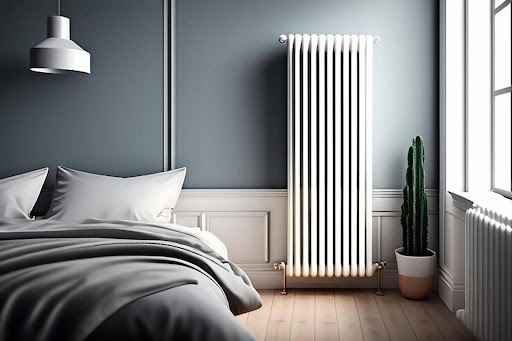
Vertical radiators have become a popular choice in modern home heating systems. Their upright design allows for efficient heat distribution while freeing up valuable wall space. Well suited to contemporary interiors, they combine practical performance with a clean, modern aesthetic that fits today’s living spaces.
Heating is no longer just about keeping rooms warm. It is about balance—comfort, efficiency, and design working together. As homes become more compact and open-plan layouts replace traditional room designs, standard horizontal radiators often struggle to fit neatly into modern interiors.
This shift has made vertical radiators for homes increasingly popular. Their tall, slim profile allows them to fit into narrow wall spaces where furniture, doors, or windows limit options. Instead of spreading heat low and wide, vertical models distribute warmth upwards, creating an even temperature without dominating the room.
Beyond appearance, they are engineered to deliver reliable heat output, making them suitable for everyday living spaces such as lounges, kitchens, hallways, and bedrooms.
The Basic Working Principle Behind Vertical Radiators
At their core, vertical radiators function on the same principles as traditional water-based radiators. Heated water flows from the boiler into the radiator, warming the metal surface, which then transfers heat into the room.
The difference lies in orientation and design.
A vertical radiator uses height rather than width to provide sufficient surface area. The tall panels allow hot water to rise naturally through the unit, ensuring consistent heat distribution from bottom to top. This vertical flow supports efficient convection, where warm air rises and circulates around the room.
Because the heat is released across a taller surface, rooms warm evenly without creating cold zones near the floor or excessive heat in one corner.
How Heat Is Released Into the Room
Understanding how heat moves helps explain why vertical radiators perform well in modern homes.
Radiators release heat in two main ways:
- Radiant heat, which warms objects and surfaces directly
- Convective heat, which warms the air as it circulates
Vertical radiators are designed to optimise both. Their surface area emits radiant warmth, while the tall structure encourages natural airflow. Warm air rises along the radiator, spreads across the ceiling, and gently circulates back down as it cools.
This cycle keeps the room comfortable without sharp temperature changes, even in spaces with high ceilings or limited wall space.
Space Efficiency Without Compromising Output
One of the most practical advantages of vertical radiators is how efficiently they use wall space. In many modern homes, wide uninterrupted walls are rare. Sofas, shelving, media units, and windows compete for space.
Vertical designs solve this problem by fitting into narrow sections of wall that would otherwise remain unused. Despite their slim footprint, they can deliver comparable heat output to traditional models because output is calculated based on total surface area, not shape alone.
This makes them particularly useful in apartments, renovated properties, and rooms with unconventional layouts.
Materials and Design Choices That Affect Performance
Not all vertical radiators perform the same way. Materials play a key role in how quickly heat is produced and how long it is retained.
Common materials include:
- Steel, which heats up quickly and responds well to thermostatic control
- Aluminium, known for rapid heat transfer and energy efficiency
- Composite designs, combining durability with consistent heat output
Panel thickness, internal water channels, and surface finish also influence performance. Smooth panels radiate heat evenly, while textured or finned designs increase surface area, improving heat release without increasing size.
These engineering choices allow vertical radiators to suit different heating demands while maintaining a clean, contemporary appearance.
Compatibility With Modern Heating Systems
Vertical radiators integrate seamlessly with most modern central heating systems. They connect to standard pipework and work with gas boilers, system boilers, and many renewable heating setups.
When paired with thermostatic radiator valves, they offer precise temperature control, helping households manage comfort room by room. This compatibility ensures they are not just a visual upgrade but a practical heating solution that fits into existing infrastructure.
As energy efficiency standards continue to rise, vertical radiators are designed to meet modern expectations for controlled, responsive heating.
Energy Efficiency and Everyday Comfort
Efficiency is about more than energy ratings. It is about how effectively warmth is delivered and maintained throughout the day.
Vertical radiators respond quickly when heating is turned on, reducing warm-up time. Their even heat distribution means rooms feel comfortable sooner, reducing the need to run heating systems for extended periods.
In well-insulated homes, this responsiveness supports better energy use without sacrificing comfort. When sized correctly, vertical radiators for homes can contribute to steady indoor temperatures and controlled heating costs.
Choosing the Right Size for Your Space
Correct sizing is essential for performance. A radiator that is too small will struggle to heat the room, while one that is oversized may lead to unnecessary energy use.
Heat requirements depend on room size, insulation quality, ceiling height, and window area. Vertical radiators are available in a wide range of heights and outputs, allowing homeowners to match capacity with actual heating needs.
Professional heat calculations ensure the radiator provides sufficient warmth without excess, making sizing a key step in any heating upgrade.
Practical Takeaways for Homeowners
When considering vertical radiators, keep the following points in mind:
- Measure available wall height carefully before selecting a model
- Match heat output to room size rather than choosing by appearance alone
- Ensure compatibility with existing pipework and valves
- Consider materials that balance responsiveness and heat retention
- Position radiators to encourage natural air circulation
These simple considerations help ensure reliable performance and long-term comfort.
A Modern Heating Solution That Fits Today’s Homes
Vertical radiators represent a shift in how heating integrates with living spaces. They acknowledge that homes have changed, and heating needs to adapt rather than dictate layout.
By combining efficient heat delivery with space-saving design, they support comfort without compromise. For homeowners seeking practical warmth that aligns with modern interiors, vertical radiators for homes offer a thoughtful and effective solution.
FAQs
How do vertical radiators differ from traditional horizontal radiators?
Vertical radiators work on the same heating principles as horizontal models but use height instead of width to distribute heat. Their upright design allows them to fit into narrow wall spaces while still providing sufficient surface area for heat output. This makes them more adaptable to modern layouts without reducing heating performance.
Are vertical radiators suitable for all room types?
Vertical radiators are suitable for most rooms, including living areas, bedrooms, kitchens, and hallways. Their tall design is especially effective in rooms with limited wall width or higher ceilings. However, correct sizing is essential to ensure the radiator meets the heat demand of each specific space.
Do vertical radiators heat rooms as efficiently as standard radiators?
Yes, when correctly sized, vertical radiators can heat rooms just as efficiently as standard radiators. Efficiency depends on total heat output, insulation levels, and placement rather than shape alone. Vertical models distribute heat evenly through convection and radiation, supporting consistent indoor temperatures.
Can vertical radiators be used with existing central heating systems?
Most vertical radiators are fully compatible with standard central heating systems. They connect to conventional pipework and work with common boilers and thermostatic controls. In most cases, installation does not require major system changes, provided pipe positions and outputs are properly planned.
Do vertical radiators cost more to run?
Running costs are not inherently higher for vertical radiators. Energy use depends on heat output, system efficiency, and how long the heating is operated. When sized correctly and used with proper controls, vertical radiators can support efficient heating without increasing energy consumption.
What should be considered before installing a vertical radiator?
Before installation, consider available wall height, room heat requirements, and pipework location. It is also important to choose the right material and output rating. Proper planning ensures the radiator delivers reliable warmth while fitting neatly into the room’s layout and daily use.
Are vertical radiators a good long-term heating choice?
Vertical radiators are a practical long-term option for modern homes. Their space-saving design suits evolving interior layouts, and their performance aligns with current efficiency standards. With durable materials and correct sizing, they can provide consistent comfort and adapt well to future heating upgrades.
Final Reflections
Heating choices shape how a home feels every day. Vertical radiators stand out because they address modern challenges without overcomplicating comfort. Their ability to deliver steady warmth from a slim, upright design makes them well suited to contemporary living spaces where flexibility matters. Instead of competing with furniture or disrupting layout plans, they work quietly in the background, providing reliable heat where it is needed most. When chosen with the right size, material, and placement, vertical radiators can support consistent temperatures and efficient energy use throughout the home. They also allow homeowners to rethink wall space creatively, turning heating into an integrated part of the interior rather than an afterthought. If you are reviewing your current heating setup or planning a renovation, consider how vertical radiators for homes could improve comfort, efficiency, and layout in one practical upgrade.