
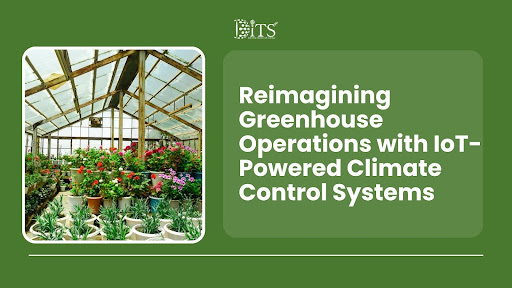
Greenhouse farming is evolving fast. Rising climate uncertainty, increasing resource costs, and growing demand for high-quality produce are pushing growers to rethink how they manage their operations. Traditional methods are no longer enough. Today, IoT-powered climate control systems are helping greenhouse businesses move toward smarter, more reliable, and more sustainable farming.
These systems don’t just automate tasks—they create an environment where crops can thrive consistently, while operators gain better control and visibility.
The Limitations of Traditional Greenhouse Management
Many greenhouses still depend on manual monitoring or basic automation tools. While these approaches worked in the past, they often struggle to handle rapid changes in temperature, humidity, or moisture levels. Delayed responses can stress crops, reduce yields, and waste water or energy.
Manual systems also make it difficult to scale operations. As greenhouses grow larger or more complex, keeping conditions balanced becomes increasingly challenging without intelligent support.
How IoT-Powered Climate Control Works
IoT-powered climate control systems use smart sensors placed throughout the greenhouse to monitor key environmental factors such as temperature, humidity, soil moisture, CO₂ levels, and light intensity. These sensors send data continuously to a central platform.
Based on this real-time data, the system can automatically adjust ventilation, irrigation, heating, cooling, and lighting. Instead of reacting after a problem occurs, the greenhouse becomes proactive—maintaining optimal growing conditions around the clock.
With IoT, greenhouse operators can:
- Improve crop consistency and quality
- Reduce water and energy usage
- Monitor operations remotely
- Respond faster to environmental changes
This level of control helps minimize risk and maximize productivity.
The Technology Behind Smart Greenhouses
A successful IoT greenhouse system needs more than just connected devices. It requires reliable software to manage data, automate decisions, and present insights in a clear and usable way. This is where a capable software development company plays a vital role by building secure platforms, integrating hardware smoothly, and ensuring the system can scale as operations expand.
Strong software architecture ensures that data flows seamlessly from sensors to dashboards, giving growers actionable insights instead of raw numbers.
Streamlining Operations with Automation
Climate control is only one part of running a greenhouse. Daily operations also include reporting, inventory management, scheduling, and compliance tracking. Handling these tasks manually can slow teams down and increase errors.
This is where business process automation consulting becomes valuable.
It helps greenhouse operators automate repetitive workflows and data handling.
Processes become faster, more accurate, and easier to manage.
Teams gain more time to focus on strategy and crop performance rather than paperwork.
By combining IoT with operational automation, greenhouses can run more efficiently from end to end.
Real-World Benefits for AgriTech Businesses
IoT-powered climate control systems deliver practical benefits that directly impact the bottom line. Growers experience better yield predictability, lower operational costs, and improved decision-making. Data-driven insights allow them to plan ahead, reduce waste, and respond quickly to risks like sudden weather changes or equipment issues.
These systems also support sustainability goals by optimizing water and energy usage—an increasingly important factor in modern agriculture.
The Future of Greenhouse Farming
Smart greenhouse technology is no longer a future concept—it’s becoming the new standard. As IoT systems continue to advance, greenhouses will become even more adaptive, resilient, and productive.
Reimagining greenhouse operations with IoT-powered climate control systems means creating a farming environment that is efficient, sustainable, and ready to meet the demands of tomorrow’s agriculture.