
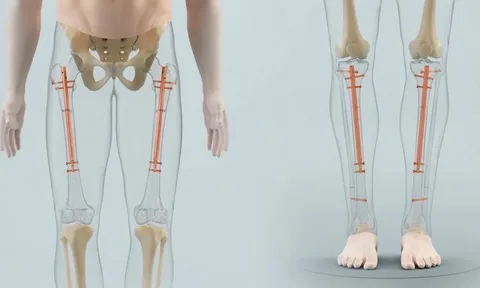
Limb lengthening is one of the most innovative advancements in modern orthopedic surgery, allowing surgeons to increase the length of bones in the arms or legs. Initially developed to treat deformities and injuries, this technique is now also sought by individuals aiming to enhance height or correct asymmetry. Thanks to advanced technology and surgical precision, limb lengthening has become safer, less invasive, and more predictable than ever before.
What Is Limb Lengthening?
Limb lengthening is a controlled surgical process designed to stimulate natural bone growth. The procedure is based on a principle called distraction osteogenesis, which involves cutting a bone and gradually pulling the two ends apart. As the bone is slowly separated, new bone tissue forms in the created gap, eventually hardening and becoming part of the original structure.
This process doesn’t just extend the bone—it also allows the surrounding muscles, nerves, and blood vessels to grow and adapt, ensuring proper limb function after healing.
The procedure is commonly performed on the femur (thigh bone) or tibia (shin bone), but it can also be applied to the upper limbs in specific cases.
Phases of the Limb Lengthening Process
The limb lengthening journey is typically divided into several important stages:
- Surgical Phase:
A small incision is made, and the bone is carefully cut. A device—either an external fixator or an internal lengthening nail—is placed to hold the bone in position.
- Latency Phase:
This short rest period (5–7 days) allows the body to begin initial healing before active lengthening begins.
- Distraction Phase:
The bone ends are gradually separated, typically at a rate of 1 millimeter per day. This slow separation encourages new bone growth.
- Consolidation Phase:
After reaching the desired length, the bone is allowed to harden and strengthen. The device remains in place until the new bone is fully mature.
- Removal and Rehabilitation:
Once healing is confirmed through X-rays, the device is removed. Physical therapy follows to restore full mobility, flexibility, and muscle strength.
Who Can Benefit from Limb Lengthening?
Limb lengthening can be performed for both medical and cosmetic reasons. Common indications include:
- Congenital limb discrepancies: Some people are born with one limb shorter than the other.
- Post-traumatic shortening: Bone loss or misalignment following accidents or fractures.
- Bone infection or tumors: Conditions that affect growth or bone structure.
- Cosmetic height increase: For individuals seeking to gain a few inches in height and boost confidence.
Techniques Used in Limb Lengthening
Modern limb lengthening can be achieved through two main techniques:
1. External Fixators
A traditional and effective method involving a metal frame (such as the Ilizarov or Taylor Spatial Frame) attached around the limb. The frame holds the bone steady and allows precise adjustments.
Advantages:
- Suitable for complex deformities
- Allows correction of alignment and rotation
- Adjustable during treatment
Limitations:
- Visible on the limb
- Higher maintenance (daily cleaning required)
- Pin site infections are possible
2. Internal Lengthening Nails
A more advanced technique using magnetically controlled intramedullary nails such as PRECICE or FITBONE. These devices are inserted inside the bone and can be adjusted externally with a remote controller.
Advantages:
- Hidden inside the bone (no external frame)
- Reduced infection risk
- Better cosmetic appearance
Limitations:
- More expensive than external fixators
- Not suitable for very young patients with open growth plates
Recovery and Rehabilitation
Recovery from limb lengthening is a gradual process that typically takes 6 to 12 months, depending on the amount of length gained and individual healing response.
Key aspects of recovery include:
- Physical therapy: Maintains joint flexibility and muscle strength.
- Pain management: Discomfort can be managed with prescribed medications.
- Balanced nutrition: Diet rich in calcium, vitamin D, and protein supports bone formation.
- Follow-up care: Routine X-rays track progress and bone consolidation.
Walking aids such as crutches or walkers are often used during the healing phase to promote safe mobility while reducing strain on the new bone.
Limb Lengthening Surgery Cost in India
The overall limb lengthening surgery cost in India varies depending on factors such as the technique used (external fixator vs. internal nail), the patient’s condition, the hospital chosen, and the duration of post-operative rehabilitation. Despite these variations, India remains one of the most affordable and reliable options for patients seeking both medical and aesthetic limb correction procedures.
Possible Complications and Side Effects
While limb lengthening is generally safe and successful, potential side effects can occur, particularly if aftercare is neglected. Common complications include:
- Pin site infections (in external fixator cases)
- Joint stiffness or reduced flexibility
- Delayed bone healing or nonunion
- Muscle tightness or nerve irritation
- Gait imbalance during recovery
Fortunately, most of these issues are temporary and manageable with early intervention, regular follow-ups, and consistent physiotherapy.
Long-Term Effects and Life After Surgery
Patients who complete the procedure successfully often experience life-changing results. The corrected limb alignment improves posture, walking ability, and overall comfort. Those who undergo the surgery for height enhancement report increased confidence and self-esteem.
Long-term outcomes are generally positive, especially with advancements in minimally invasive techniques. The newly formed bone is as strong as the original bone, allowing patients to return to normal activities—including sports—once healing is complete.
However, long-term follow-up is essential to ensure bone strength, monitor gait, and prevent any recurrence of alignment issues.
Final Thoughts
Limb lengthening procedures have revolutionized the way orthopedic surgeons treat limb deformities and discrepancies. What was once considered a complex and risky operation is now a safe, precise, and highly rewarding treatment when performed by experts.
By following proper recovery guidelines, attending regular physiotherapy, and staying consistent with medical checkups, patients can enjoy lasting results and a better quality of life. Whether for medical correction or personal transformation, limb lengthening remains one of the most impactful innovations in modern orthopedics.