
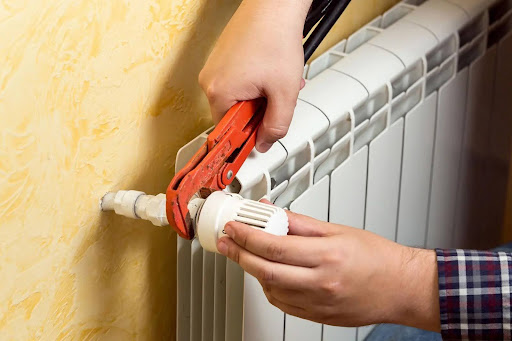
When a heating system fails, the real question isn’t just what went wrong—it’s how quickly and accurately the problem can be solved. Professional radiator companies follow a clear process to assess damage, identify hidden issues, and deliver reliable solutions. Their method ensures safe repairs, efficient performance, and long-term value—giving homeowners complete confidence in their radiators and heating system.
Heating systems are essential for home comfort, especially during colder months. When problems arise, homeowners often rely on specialist radiator companies to diagnose the issue and recommend the safest and most effective fix. These professionals use structured assessment methods to ensure every repair or replacement delivers lasting performance. Understanding how these assessments work helps you make informed decisions about your radiators.
These companies focus on accuracy, safety, and long-term efficiency. Their approach begins with identifying the visible and hidden causes of radiator failure. By following a set process, they reduce risks, control costs, and restore your heating system with minimal disruption. This systematic method strengthens trust between customers and service providers.
Initial Inspection: Identifying the Visible Problem
The first step in any assessment is a thorough visual check. Technicians examine the radiator body, valves, pipework, and surrounding areas for signs of damage. Common issues include corrosion, leaks, cold spots, and uneven heat distribution. By observing the system in its current state, experts can understand where the main problem lies before moving to deeper analysis.
During this stage, they also look for unusual noises, trapped air, or pressure drops. These signs often point to internal faults that require more detailed inspection. A clear initial assessment helps avoid unnecessary work and ensures the right solution is chosen from the start.
Testing System Performance
Once the visible concerns are recorded, radiator companies test how the system performs under normal use. This involves checking heat output, water flow, and pressure levels. Performance testing helps confirm whether the fault is limited to the radiator or linked to a broader heating system issue.
Performance checks may include:
- Measuring surface temperature across different panels
- Checking valve function and responsiveness
- Testing water circulation
- Identifying hot and cold zones within the unit
This stage ensures that no issue is overlooked. A radiator may appear damaged, but the real cause could be poor circulation, faulty valves, or blockages. Accurate testing prevents misdiagnosis and leads to reliable repair decisions.
Detecting Internal Blockages and Hidden Faults
Many radiator problems start from within. Sludge, limescale, or debris can collect inside the unit over time, reducing efficiency and damaging internal components. Radiator specialists use diagnostic tools to detect these blockages. They may measure flow rates or check internal resistance to identify build-up that cannot be seen from the outside.
Hidden faults can also include:
- Small cracks in metal panels
- Valve corrosion
- Air pockets trapped in the system
- Imbalanced pressure
By uncovering internal issues early, companies reduce the chance of future leaks or breakdowns. This internal assessment is central to providing long-lasting solutions.
Evaluating Safety Risks
Safety remains a priority in every assessment. Faulty radiators can cause water damage, pressure build-up, or even create hazards for the household. Specialists check for weaknesses in the structure, loose fittings, and deteriorated seals to ensure the system is safe to operate.
They also assess the risk of the problem spreading to other parts of the heating system. A damaged radiator can affect boilers, thermostats, and pipework if not repaired correctly. With these checks, professionals protect both property and occupants.
Recommending the Right Repair or Replacement
After gathering all findings, radiator companies prepare a clear list of recommended actions. These solutions depend on the type of damage, the age of the radiator, and the overall condition of the heating system. The focus is always on delivering reliable, cost-effective results.
Typical recommendations may include:
- Valve replacements
- Repairing leaks or damaged joints
- Power flushing to remove internal build-up
- Balancing the system for even heat distribution
- Installing a new radiator when repairs will not restore performance
Companies also explain how each solution will improve efficiency and prevent future problems. This transparency helps homeowners make confident choices.
Carrying Out Repairs with Precision
Once the customer approves the plan, professionals begin the repair process. Skilled technicians follow safety guidelines and use appropriate tools to ensure the radiator is restored to optimal condition. Every component is tested again after the repair to confirm it is working correctly.
Quick, precise repairs reduce downtime and help the heating system return to normal operation. Attention to detail in this stage reflects the company’s commitment to reliable service.
Quality Assurance and System Testing
A final inspection ensures that all work meets professional standards. Technicians test heat distribution, pressure levels, and valve operation once more. They check for leaks and confirm that the radiator is delivering consistent performance.
This final step provides reassurance that the problem has been fully resolved. It also ensures that the solution will remain effective for the long term.
Offering Maintenance Guidance for Long-Term Reliability
Radiator companies often share simple maintenance advice to help homeowners protect their heating systems. Although radiators are designed to be durable, regular care reduces the risk of future problems. Proper maintenance keeps the system efficient and extends its lifespan.
Common suggestions include:
- Bleeding radiators at least once a year
- Checking valves for smooth operation
- Monitoring for temperature changes
- Keeping surrounding areas clear for air circulation
With this guidance, homeowners can enjoy a steady heating performance all year round.
Final Thoughts
A high-quality radiator assessment goes far beyond a quick visual check. Professional companies combine inspection, testing, diagnosis, safety evaluation, and long-term planning to deliver reliable solutions. Their expertise creates confidence, ensures efficiency, and protects your heating system from future problems. With a structured approach and careful attention to detail, they restore radiators to full performance and help you maintain a warm, comfortable home.