
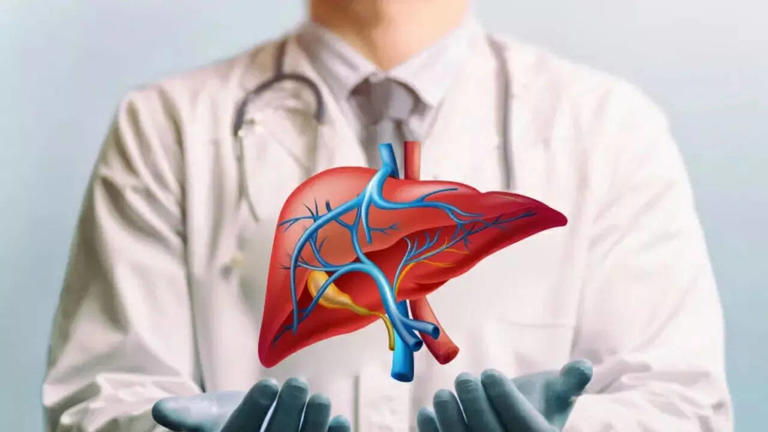
The liver plays a crucial role in keeping your body healthy. It’s responsible for detoxifying harmful substances, aiding digestion through bile production, storing essential nutrients, and maintaining metabolism. However, when the liver is damaged, these functions can decline, leading to a serious condition known as liver failure. Understanding its warning signs and following preventive measures can make a big difference in preserving liver health.
What Is Liver Failure?
Liver failure occurs when the liver loses its ability to perform vital functions. It can happen in two primary ways, acute and chronic.
- Acute liver failure develops quickly, sometimes within days, due to causes like viral hepatitis, drug toxicity, or excessive alcohol use.
- Chronic liver failure, on the other hand, progresses gradually over several months or years, often resulting from long-standing liver issues such as cirrhosis, fatty liver disease, or chronic hepatitis infections.
Regardless of how it develops, early identification and medical treatment are essential to prevent permanent liver damage.
Early Warning Signs to Watch Out For
Liver failure often starts with subtle symptoms that are easy to miss. Paying attention to your body’s signals can help detect problems before they become severe. Some common early signs include:
- Persistent tiredness or feeling weak even after adequate rest
- Loss of appetite and unintended weight loss
- Nausea, vomiting, or discomfort in the upper right side of the abdomen
- Yellowish discoloration of the skin and eyes (jaundice)
- Dark urine and pale-colored stools
- Swelling in the legs, feet, or abdomen
- Itchy or irritated skin
Even if these symptoms seem minor, they can be early indicators of declining liver function. Getting medical advice promptly can prevent complications later.
Advanced Symptoms and Serious Complications
As liver failure progresses, the condition becomes more severe and may affect other organs. Individuals might experience confusion, memory issues, or changes in behavior due to toxin buildup in the brain—a condition called hepatic encephalopathy. Other possible complications include fluid retention in the abdomen (ascites), easy bruising or bleeding, and hypersensitivity to certain medications.
In severe cases where the liver loses its ability to recover, a liver transplant might be the only viable treatment option. Many patients consider undergoing this life-saving procedure abroad due to affordability and quality care. For example, many explore Liver Transplant Cost in India, as the country is well-known for its experienced surgeons, advanced medical facilities, and cost-effective treatment packages compared to Western nations.
Proven Ways to Prevent Liver Damage
Most liver diseases can be avoided through mindful lifestyle habits and timely medical care. Here are some essential steps to maintain a healthy liver:
- Limit alcohol consumption
Excessive drinking is a major cause of liver damage. If you drink, do so in moderation, and avoid binge drinking entirely. Those already diagnosed with liver conditions should eliminate alcohol completely.
- Use medicines safely
Overuse or misuse of painkillers and other drugs can harm the liver. Always follow your doctor’s advice and avoid combining medications with alcohol—especially products containing paracetamol.
- Get vaccinated for hepatitis
Vaccinations for Hepatitis A and B can protect against serious infections that may cause liver inflammation and long-term damage.
- Adopt a balanced diet
Focus on nutrient-rich foods such as fruits, vegetables, lean proteins, whole grains, and healthy fats. Avoid processed snacks, sugary beverages, and foods high in trans fats. Include liver-supportive foods like leafy greens, garlic, and olive oil.
- Maintain an active lifestyle
Regular exercise helps control weight and prevents non-alcoholic fatty liver disease. Aim for 30 minutes of physical activity most days of the week.
- Avoid contact with toxins
Exposure to chemicals in cleaning agents, aerosols, and pesticides can harm liver cells. Use protective gear and ensure proper ventilation when handling such substances.
- Schedule periodic health check-ups
Individuals with conditions like diabetes, obesity, or a family history of liver problems should undergo regular liver function tests for early detection and timely management.
Final Thoughts
Your liver works tirelessly to keep you healthy, but it also needs your care in return. Ignoring early signs of liver distress can lead to serious health consequences, while timely diagnosis and preventive measures can protect this vital organ. Adopting a healthy diet, managing lifestyle habits, and seeking medical help when needed are key to maintaining liver health. Remember, early action today can prevent major complications tomorrow. Take care of your liver—it’s one of the best investments you can make for your long-term well-being.