
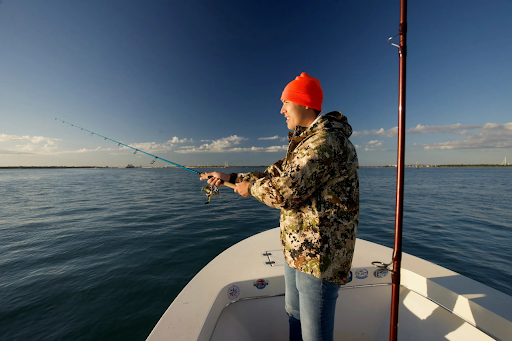
There are many fishing rods one can encounter upon entrance into angling. Some of the most common questions young fishermen and even some experienced ones ask is: Are Sea fishing rods different from ordinary ones? Well, the answer is yes, with ample reasons why. From fishing off a pier, from a boat, or from the shore, the rod you choose is the experience.
This blog discusses and compares sea fishing rods to regular fishing rods, thus giving anglers an insight into which one suits their environment and purpose.
The Things Basic-Type: What Is a Fishing Rod?
A fishing rod is a flexible, long, thin tool used for fish capture: It lets the angler feel a fish bite while baiting or luring into the water. Although fishing rods basically perform the same thing worldwide, their forms, materials, and characteristics differ greatly depending on the fishing environment—freshwater or saltwater.
What Makes a Sea Fishing Rod Different?
These rods are designed to resist the demanding circumstances found in the saltwater surroundings. Such conditions include:
- The corrosive saltwater
- Much stronger and larger fish species
- Strong ocean currents
- Rough weather conditions
In all these considerations, harsher sea fishing rods are stronger, longer, and made with corrosion-resistant materials. Let’s dig into these genuine identifiers of sea fishing rods.
1.Material Composition
One major difference is the material of the sea fishing rod. They are often constructed from superior graphite, glass fibre, or composite materials that withstand the corrosion process. Saltwater is highly corrosive to any kind of equipment, and hence the manufacturers wrap the rods with specialised coatings or use components made from stainless steel.
Conversely, ordinary freshwater fishing rods do not require resistance against corrosion. Being lighter and more sensitive to vibrations, they are easy to use in calmer waters.
2.Length and Strength of Rod
The planning for throwing long casts and holding catches heavier than the ones that could possibly be caught in lakes is taken into consideration for the sea fishing. These fish may be heavy like tunas, snappers, or sharks are considered heavier catches in sea fishing; hence, sea rods are longer with an intermediate backbone that helps control these big fishes; also, it absorbs shock from sudden strong pulls. In contrast, regular fishing rods used in the lake or river are shorter, more flexible, and designed to bear smaller species of fish with more emphasis laid on sensitivity than strong force application.
3.Action and Power of Rod
Action of the rod (where the rod bends) and power of the rod (how much force it takes to bend) are important distinctions between them. Sea fishing rods usually glow with fast to extra-fast action, for quicker hook sets, and heavy power ratings to handle the weight of the big saltwater species.
Regular fishing rods mostly have light to medium power but slower actions that do very well for finesse fishing in freshwater environments.
4.Guides and Reel Seats
Larger and stronger guides suit saltwater rods to allow heavy-duty braided lines. Usually formed from stainless steel, titanium, or another non-corrosive material, these guides are.
To endure the strain of strong saltwater reels, reel seats of sea fishing rods also are reinforced and corrosion resistant. Regular fishing rods are inappropriate for long usage in saltwater since they lack such strength.
5.Weight and Portability
With added stronger materials and components, sea fishing rods are on the “heavy” side compared to their freshwater counterparts. Because compactness is a prerequisite for traveling, many brands are offering compact multi-piece sea fishing rods that basically don’t trade off performance against durability.
When to Use Which Rod?
Where you plan to do the fishing and the target species are all determinants of the rod to use.
- Targeting big saltwater species, coastal shore fishing, and deep-sea fishing adventures call for sea fishing rods.
- Especially when aiming for smaller species like bass, trout, or crappie, a standard fishing rod is appropriate for fishing in freshwater lakes, rivers, and streams.
It’s also decent to know that using freshwater rods in saltwater-a single time will shorten its lifespan unless you thoroughly stop usage with cleaning and maintenance.
Wrapping Up
While all rods serve a common purpose; the environment for which a rod is designed majorly influences its construction, durability, and performance. The sea fishing rods are the tough guy — to face all elements and take on bigger catches. The regular fishing rods are lighter and more sensitive, made for calmer freshwater adventures.
Understanding these differences enhances your fishing experiences and guarantees your equipment investment is for the right conditions. From a butterfly-hunter beginner to a saltwater-dredging crack fisherman, whatever experience level you have, the right rod in your hand makes all the trips enjoyable and productive.