
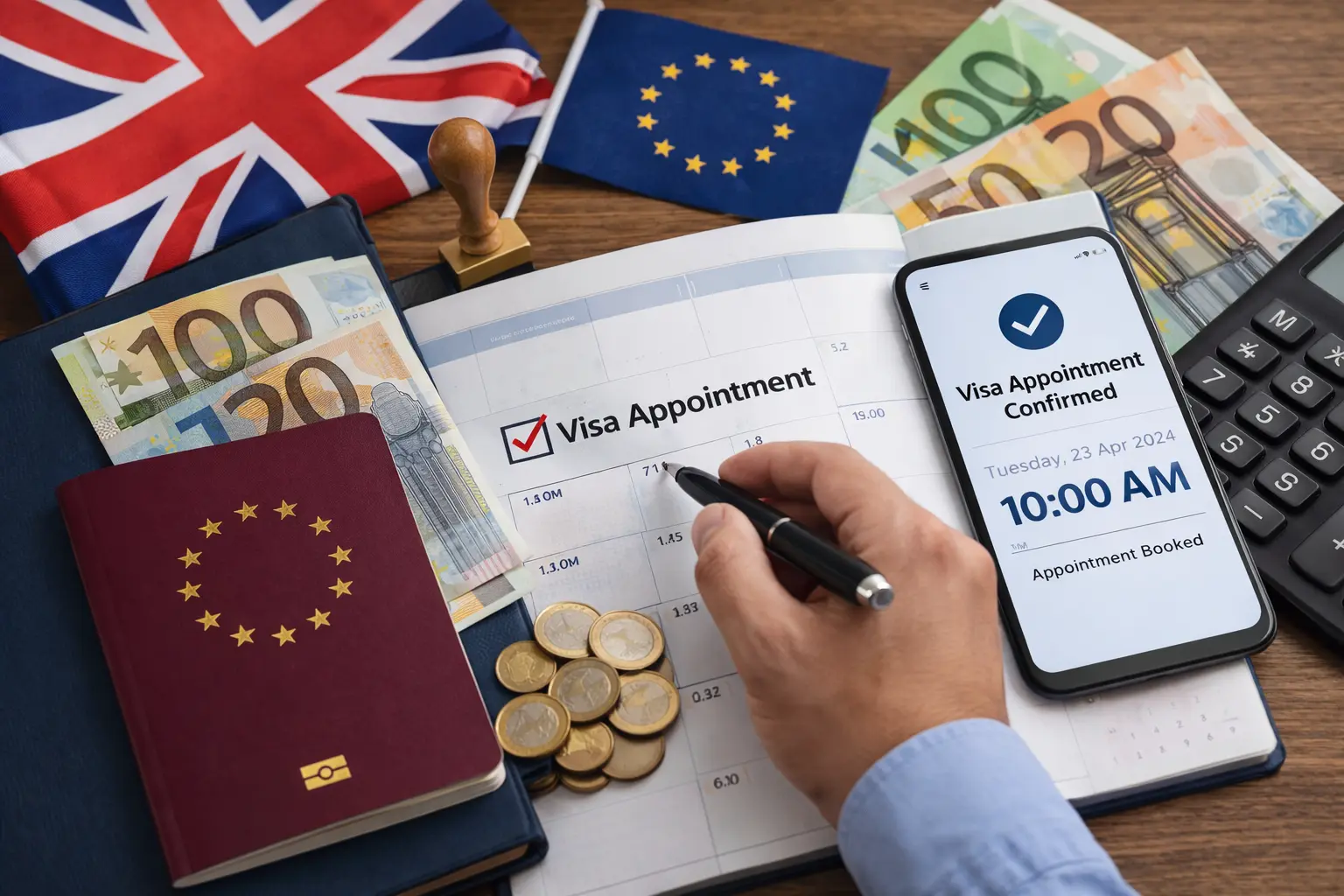
Planning a trip across Europe involves more than selecting destinations and booking flights. One of the earliest and most decisive steps in the process is arranging a visa appointment within the required timeframe. Delays at this stage often disrupt entire travel plans, particularly when demand is high and appointment availability is limited.
For most applicants, visa appointment slot booking becomes the point where preparation meets urgency. Those who understand how appointment systems function and who approach the process with clarity and readiness tend to move forward without unnecessary setbacks. A structured approach reduces uncertainty significantly.
Understanding How Appointment Systems Operate
Each Schengen country manages its own appointment system, typically through authorised visa application centres or official platforms. Availability depends on several variables, including application volume, staffing, and seasonal demand. As a result, appointment slots are not always consistently accessible.
Applicants are required to complete initial details before selecting a suitable date. The system operates in real time, meaning availability can change within minutes. A slot visible at one moment may no longer be accessible shortly after, which makes timing critical.
Why Appointment Availability Is Limited
High demand remains the primary reason behind limited appointment availability. Travel seasons, especially summer and major holidays, lead to a sharp increase in applications. This surge places pressure on consulates, reducing the number of open slots for new applicants.
Administrative scheduling also plays a role. Appointment releases are often done in batches, and not all consulates follow a predictable pattern. This irregularity makes it difficult for applicants to rely on fixed timings when attempting to secure a booking.
Preparing Before Booking an Appointment
Preparation directly impacts the ability to secure an appointment successfully. Applicants who have their documentation ready and understand the process are better positioned to act immediately when slots become available.
Ensuring that application forms are complete, travel plans are defined, and required documents are organised removes delays during booking. This level of readiness allows applicants to confirm appointments without hesitation.
- Completed visa application form with accurate details
- Valid passport with sufficient validity period
- Travel itinerary including entry and exit dates
- Proof of accommodation and financial means
- Supporting documents aligned with visa category
Common Errors That Slow Down the Process
Several avoidable mistakes contribute to delays in securing appointments. Incorrect information entered during booking often results in cancellations or the need to restart the process. Selecting an inappropriate visa category can also lead to complications later.
Another common issue arises from inconsistent monitoring of appointment systems. Relying on occasional checks reduces the likelihood of finding available slots, particularly when demand is high and availability changes frequently.
- Entering incorrect personal or passport details
- Choosing the wrong visa type for travel purpose
- Missing required supporting documents
- Not checking appointment availability regularly
- Delaying confirmation after selecting a slot
Practical Ways to Improve Appointment Success
Applicants who adopt a structured approach generally achieve better outcomes. Regular monitoring, flexibility in choosing dates, and awareness of multiple application centres can increase the chances of securing a suitable slot.
Being adaptable with travel timelines also helps. A rigid schedule limits available options, whereas flexibility opens up more opportunities across different dates and centres.
- Check appointment portals at different times of the day
- Remain flexible with preferred travel dates
- Consider nearby application centres if applicable
- Keep all documents ready before booking
- Act immediately when a slot becomes available
Managing Changes and Rescheduling
Unforeseen circumstances may require applicants to adjust their appointment dates. Most systems allow rescheduling within certain limits, but repeated changes can lead to restrictions or delays.
Understanding the policies related to cancellations and rescheduling ensures that applicants can make adjustments without disrupting their application timeline. Monitoring newly available slots from cancellations can also present opportunities.
Monitoring Appointment Availability
Keeping track of appointment systems consistently increases the likelihood of finding available slots. Since availability changes frequently, regular checking becomes essential.
Applicants who remain attentive to updates are more likely to secure appointments compared to those who check infrequently.
Staying Flexible with Application Centres
Considering alternative centres within the same jurisdiction can improve access to appointments. Different centres may have varying levels of availability depending on demand and capacity. This flexibility allows applicants to explore more options rather than waiting for a single preferred location.
Avoiding Last-Minute Applications
Applying close to travel dates reduces available options significantly. Limited appointment slots and processing timelines create unnecessary pressure. Starting early provides greater control and allows sufficient time to address any unexpected issues during the process.
Ensuring Documents Are Complete
Incomplete or incorrect documentation can delay the application process. Each document must meet the requirements set by the consulate, including validity and format. Applicants who verify their documents in advance reduce the risk of complications during submission.
Selecting the Correct Visa Category
Choosing the appropriate visa category is essential for a smooth process. Incorrect selection can result in rejection or the need to restart the application. Clear understanding of travel purpose ensures that the correct category is selected from the beginning.
Tracking Application Progress
Monitoring the application after submission helps applicants stay informed about its status. Updates provided through official systems indicate progress and any additional requirements. This awareness allows timely responses if further information is requested.
Being Ready to Confirm Immediately
Appointment slots can be taken quickly once released. Applicants must be prepared to confirm bookings without delay. Having all details ready ensures that no time is lost during the booking process.
Using Structured Guidance
Guided support helps applicants manage each stage of the process efficiently. Assistance with documentation and application preparation reduces uncertainty. This approach is particularly useful for those unfamiliar with visa procedures or dealing with time constraints.
Final Thoughts
Struggling to secure the right appointment at the right time? The process can feel overwhelming, yet a clear plan and timely action can make a noticeable difference. Applicants who prepare early and remain flexible are far more likely to avoid delays.
For those seeking a guided and fully online approach, Schengen Visa Consultancy Limited offers structured support that includes appointment assistance, document review, and step-by-step guidance tailored to individual cases, making Schengen visa slot booking more organised and manageable for travellers aiming to complete their applications efficiently.