
A bone marrow transplant (BMT) is often recommended for people facing serious blood disorders or certain cancers. When this treatment is discussed, one of the most common concerns patients and caregivers have is about safety. It is natural to feel anxious about such a complex procedure.
Today, bone marrow transplantation is widely regarded as a safe and effective option for many patients when performed at specialized centers with experienced medical teams. Like all major treatments, it carries risks, but advances in medical science have significantly improved outcomes and patient safety.
What Exactly Is a Bone Marrow Transplant?
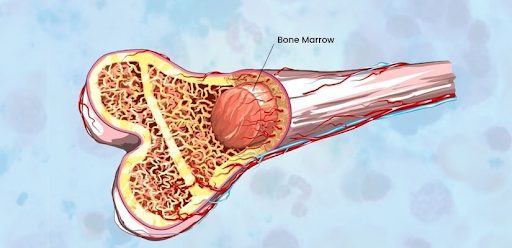
Bone marrow is the spongy tissue inside bones responsible for producing red blood cells, white blood cells, and platelets. When this system fails due to disease or damage, the body cannot function properly.
A bone marrow transplant works by replacing damaged marrow with healthy blood-forming stem cells. These stem cells may come from:
- The patient’s own body (autologous transplant)
- A matched donor, such as a sibling or unrelated volunteer (allogeneic transplant)
- Umbilical cord blood in specific situations
The objective is to restart healthy blood cell production and strengthen the immune system.
Conditions That May Require a Transplant
Doctors may advise a bone marrow transplant for several serious conditions, including:
- Blood cancers such as leukemia, lymphoma, and multiple myeloma
- Genetic disorders like thalassemia and sickle cell disease
- Bone marrow failure syndromes such as aplastic anemia
- Certain inherited or acquired immune system disorders
In many cases, a transplant offers the best chance for long-term disease control or cure when standard treatments are no longer effective.
How Safe Is Bone Marrow Transplant Today?
The safety of bone marrow transplantation has improved greatly over the years. Better donor matching techniques, advanced infection prevention methods, and improved supportive care have made the procedure safer than in the past.
Safety depends on multiple factors, including:
- The patient’s age and overall health
- The type and stage of the disease
- Whether the transplant is autologous or donor-based
- The quality of medical care during recovery
Doctors conduct extensive evaluations before recommending a transplant to ensure that the potential benefits outweigh the risks.
Understanding the Transplant Process
Before receiving the transplant, patients undergo conditioning treatment, which may include chemotherapy or radiation therapy. This step helps eliminate diseased marrow and prepares the body to accept new stem cells.
After the transplant, the new stem cells begin forming healthy blood cells over time. During this period, patients often focus on recovery planning, follow-up schedules, and financial preparation, including understanding the Bone Marrow transplant cost in India, as the length of treatment and type of transplant can influence overall expenses.
Possible Side Effects and Complications
Although bone marrow transplants are generally safe, side effects may occur, particularly in the early stages. These can include:
- Tiredness and weakness
- Nausea or digestive discomfort
- Hair loss from pre-transplant therapy
- Mouth and throat sores
- Temporary increased risk of infections
In donor-based transplants, some patients may develop graft-versus-host disease (GVHD), a condition where donor cells react against the recipient’s tissues. Early detection and medical management are key to controlling this condition.
Measures Taken to Improve Safety
Medical teams use multiple strategies to reduce risks, such as:
- Comprehensive pre-transplant testing
- Careful donor selection and matching
- Protective isolation to lower infection risk
- Continuous monitoring through blood tests and clinical assessments
These measures help doctors identify complications early and respond quickly.
Also get a Second Opinion for Bone Marrow Transplant
Life After a Bone Marrow Transplant
Recovery after a transplant requires time and close medical supervision. Most patients remain hospitalized for several weeks and continue regular follow-ups for months.
During recovery:
- The immune system gradually strengthens
- Proper nutrition and hygiene are essential
- Physical stamina improves step by step
- Emotional well-being plays a major role in healing
Many patients resume daily activities within a few months, though full recovery can take longer depending on individual health and transplant type.
Emotional Well-Being and Support
Undergoing a bone marrow transplant can be mentally and emotionally demanding. Feelings of stress, uncertainty, or fear are common. Support from family members, mental health professionals, and healthcare providers can make a significant difference in coping and recovery.
Final Summary
So, is a bone marrow transplant safe? For many patients, the answer is yes. It is a well-established treatment that has saved countless lives and continues to improve with medical advancements. While risks exist, careful planning, expert care, and ongoing monitoring have made bone marrow transplantation safer and more effective than ever before.
Anyone considering this treatment should consult experienced specialists to understand the benefits, risks, and recovery process fully, allowing them to move forward with clarity and confidence.